Introduction to Gare Ciclismo and the 2026 Mountain Bike Championships
As we gear up for the much-anticipated 2026 Mountain Bike Championships, the excitement surrounding gare ciclismo continues to grow. This prestigious event is set to take place in Val di Sole, Italy, known for its challenging terrains and breathtaking landscapes, making it a cornerstone in the mountain biking calendar. With athletes from various nations competing, this championship not only showcases the pinnacle of mountain biking but also acts as a platform for emerging talent and seasoned professionals alike.
Overview of Gare Ciclismo Events
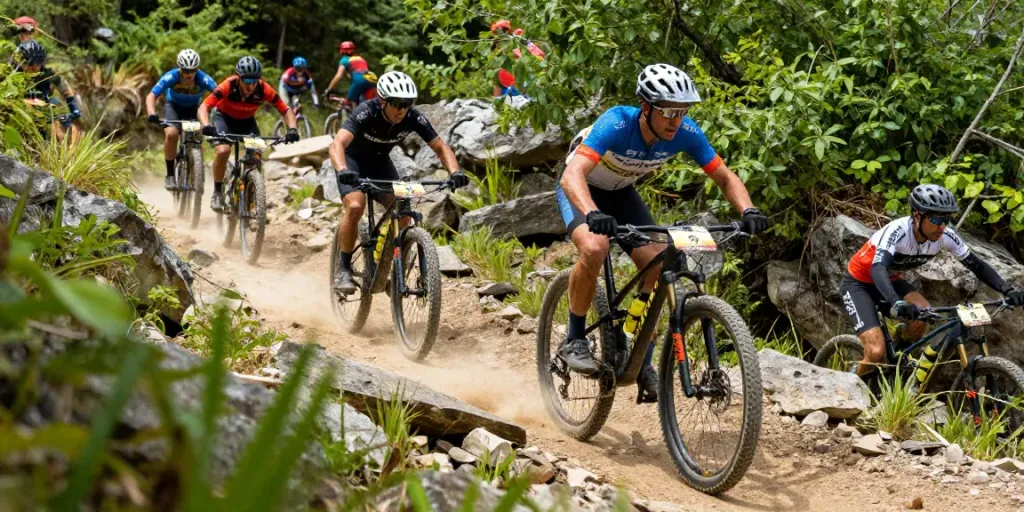
Gare ciclismo encompasses a wide array of cycling competitions, ranging from road races to mountain biking and track events. The competitive spirit, alongside the thrill of the race, creates an exhilarating atmosphere for both participants and spectators. In 2026, the focus will be on the MTB championships, with riders showcasing their skills on rugged trails, navigating steep climbs, and maneuvering through technical descents.
The Significance of the 2026 Championships
The 2026 Mountain Bike Championships are poised to be significant not only for the athletes but also for the sport's evolution. This event serves as a culmination of years of training and dedication for many competitors, and it is a crucial qualifier for future international competitions, including the Olympics. As the cycling world watches closely, the outcomes here could influence team selections and sponsorships for the athletes.
Key Athletes to Watch
Among the 13 athletes representing Canyon, the spotlight will largely be on stars like Mathieu van der Poel and Jenny Rissveds. Van der Poel, known for his explosive power and strategic racing, is expected to be a crowd favorite, while Rissveds, the reigning world champion, aims to defend her title against a competitive field. Their performances could very well determine the course of the championships, drawing attention from fans and pundits alike.
Understanding the Competitive Landscape
The landscape of mountain biking in 2026 is shaped by various teams and individual competitors, each bringing unique strengths and strategies to the forefront. Understanding these dynamics is crucial for predicting outcomes and appreciating the nuances of the sport.
Major Teams and Their Strategies
Teams such as Canyon, UAE Team Emirates, and others have developed robust strategies that include data analytics, tailored training regimens, and equipment optimization. With the advancements in technology and training methodologies, teams are better prepared than ever to tackle the challenges posed by the 2026 courses.
Analysis of Past Performances
Looking at past performances in regional and international competitions can provide insights into potential outcomes for the 2026 championships. Athletes who have succeeded in previous events often carry their momentum forward, while those who faced setbacks use those experiences as motivation to perform better. Notably, the performances in major events like the Vuelta a España and prior world championships will be telling indicators of form and fitness.
Upcoming Challenges for Athletes
Beyond physical challenges, athletes will also face psychological hurdles. The pressure of racing at such a prestigious event can weigh heavily on competitors. Mental resilience, alongside rigorous training, will be critical as they navigate technical sections and steep climbs during the championship.
Technical Specifications of Mountain Bikes
As mountain biking evolves, so does the technology behind the bikes themselves. The specifications that distinguish high-performance mountain bikes are crucial for both competitive success and safety.
What Makes a High-Performance Mountain Bike?
High-performance mountain bikes are characterized by their lightweight frames, advanced suspension systems, and durable components. Features such as wider tires for better traction, precise gearing systems for easy shifting, and disc brakes for reliable stopping power are essential for the demanding nature of mountain biking. Riders must select bikes that suit their personal riding style as well as the specific challenges of the course they will race.
Bike Maintenance Tips for Competitors
To ensure peak performance, competitors must adhere to rigorous bike maintenance protocols. Regularly checking tire pressure, lubricating chains, and ensuring brakes are functioning correctly can help avoid mechanical failures during critical moments in a race. Additionally, practices such as cleaning the bike after muddy rides and performing routine inspections before major competitions are essential for any serious competitor.
Innovative Technologies in 2026
As technology continues to advance, we can expect to see innovations such as improved bicycle materials that enhance strength without adding weight, electronic gear shifting for seamless transitions, and smart bike technologies that provide athletes with real-time data on performance metrics. These advancements will undoubtedly influence the strategies athletes adopt during races.
Training Regimens for Success
Winning the mountain biking championship requires not just skill on the bike but a comprehensive approach to training that encompasses physical conditioning, nutrition, and recovery.
Essential Training Techniques for Mountain Biking
As athletes prepare for the championships, their training regimens must be varied and intensive. Incorporating strength training, endurance rides, and sprint intervals into their weekly routines can help build versatile fitness. Specialized workouts that mimic race conditions—such as hill repeats and technical skill drills—are invaluable for success.
Nutrition and Recovery for Athletes
The role of nutrition cannot be overstated. Athletes require a balanced diet rich in carbohydrates, proteins, and healthy fats to fuel their rigorous training sessions and sustain energy levels during races. Furthermore, proper hydration and post-ride recovery techniques, such as foam rolling and stretching, are critical to maintaining peak physical condition.
Common Misconceptions About Training
Many aspiring mountain bikers fall victim to misconceptions about training. One common myth is that more mileage always equals better performance. In reality, quality often trumps quantity. A well-structured training plan that emphasizes recovery and skill development can yield significant improvements without the risk of burnout or injury.
Future Trends in Mountain Biking
As we look forward to the future of mountain biking, several trends are emerging that could shape the sport long after the 2026 championships.
Emerging Athletes and Teams
With the growth of local cycling clubs and increased access to training resources, many new talents are emerging on the scene. Teams that champion youth development are likely to see their riders making significant impacts in the coming years, bringing fresh perspectives and innovative techniques to the sport.
Technological Advances Impacting the Sport
Continued advancements in bicycle technology, wearables, and racing gear will further revolutionize how athletes compete. Expect to see more integration of biometric data and training apps that allow athletes to track metrics in real-time, facilitating tailored training adjustments that maximize performance.
Predictions for Gare Ciclismo Events Beyond 2026
As mountain biking continues to grow in popularity, the format and structure of gare ciclismo events may evolve. We may witness more mixed-gender races, innovative event formats that blend different cycling disciplines, and increased global participation, making cycling a more inclusive sport.
How Do Weather Conditions Affect Races?
Weather conditions play a crucial role in the outcomes of mountain biking events. Rain can alter trail conditions, making them slippery and muddy, while extreme heat can lead to dehydration and fatigue among riders. Understanding weather patterns can help athletes strategize their races more effectively.
What Should Spectators Expect at the Championships?
Spectators of the 2026 Mountain Bike Championships can look forward to an exhilarating spectacle. From thrilling descents to nail-biting finishes, the event promises entertainment for both die-hard fans and casual viewers. Spectator engagement activities, food stalls, and merchandise booths will add to the festive atmosphere surrounding the competition.
How to Prepare for a Mountain Biking Event?
Athletes preparing for a mountain biking event must start with meticulous planning. This includes selecting the right bike, training appropriately, and fine-tuning nutrition in the lead-up to the race. Mental preparation is equally important; visualization techniques can help riders feel more confident and focused on race day.